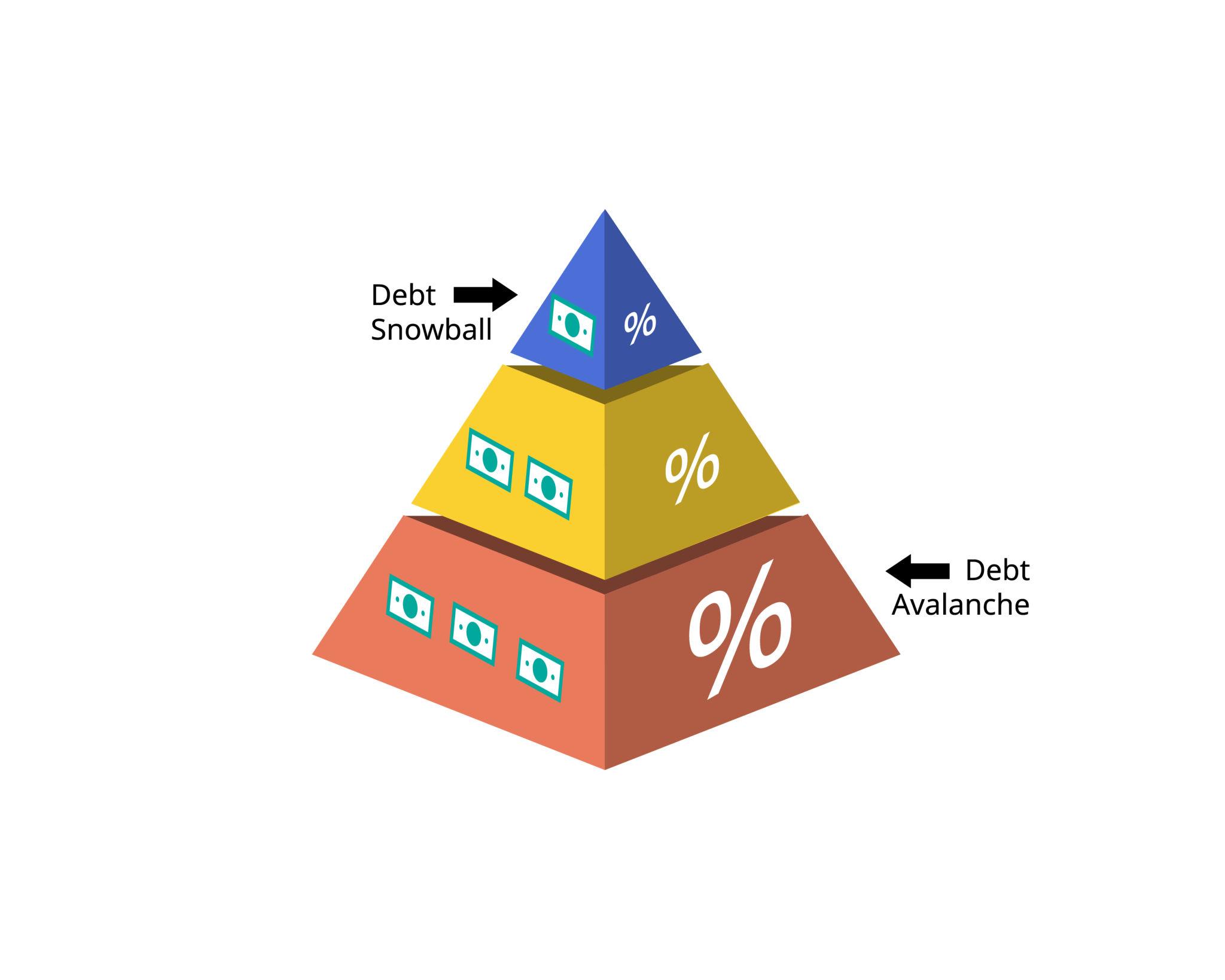
In 2026, credit card debt remains expensive in the USA, with average APRs hovering around 20%–29%. If you’re carrying balances on multiple cards, choosing the right payoff strategy can save thousands in interest—and months (or years) of stress.
Two methods dominate the conversation:
-
Debt Snowball
-
Debt Avalanche
Both work—but one saves more money, while the other keeps people motivated.
This guide compares Snowball vs Avalanche (USA, 2026) so you can pick the method that actually fits you.
The Two Methods Explained (Simple)
❄️ Debt Snowball Method
-
Pay smallest balance first
-
Ignore interest rates initially
-
Roll payments into the next balance
Why people love it: Quick wins = motivation.
🧮 Debt Avalanche Method
-
Pay highest interest rate first
-
Minimums on all others
-
Roll payments downward by APR
Why it wins mathematically: Lowest total interest.
Side-by-Side Comparison
| Feature | Snowball | Avalanche |
|---|---|---|
| Focus | Smallest balance | Highest APR |
| Motivation | Very high | Moderate |
| Total Interest | Higher | Lower |
| Payoff Speed | Slower overall | Faster overall |
| Best For | Emotional boost | Logical savers |
👉 If you stick to it, both work.
👉 If you quit early, neither works.
Real Example: $15,000 in Credit Card Debt
Balances:
-
Card A: $1,000 @ 24%
-
Card B: $4,000 @ 18%
-
Card C: $10,000 @ 22%
Snowball Result
-
First payoff: Card A (fast win)
-
Total interest paid: ~$4,900
-
Time to debt-free: ~42 months
Avalanche Result
-
First payoff: Card A? ❌ No → Card C (22%)
-
Total interest paid: ~$4,100
-
Time to debt-free: ~38 months
👉 Avalanche saves ~$800+ and ~4 months
Which Method Should YOU Choose in 2026?
Choose Snowball If:
-
You’ve failed before
-
Motivation is your biggest struggle
-
You want quick wins to stay consistent
Choose Avalanche If:
-
You’re disciplined
-
Your interest rates vary widely
-
You want maximum savings
📌 Truth: The best plan is the one you won’t quit.
2026 Reality Check: APRs Are Still High
Credit card rates remain elevated due to broader borrowing conditions influenced by the Federal Reserve. That makes paying off high-APR cards early even more important.
Hybrid Strategy (Smartest Option)
Many Americans succeed with a Hybrid Plan:
-
Snowball one small balance for momentum
-
Switch to Avalanche for the rest
Best of both worlds: confidence + savings.
When to Consider a Personal Loan Instead
If your card APRs are 20%+, a personal loan at 11%–14% can:
-
Cut interest dramatically
-
Give a fixed payoff date
-
Simplify payments
⚠️ Only do this if you stop using cards afterward.
Common Mistakes to Avoid
❌ Paying minimums only
❌ Closing cards immediately after payoff
❌ Adding new debt mid-plan
❌ Ignoring fees & penalties
Will Paying Off Debt Improve Your Credit?
Yes—usually fast.
-
Lower utilization → big score boost
-
On-time payments → long-term gains
Many see +30 to +100 points during payoff.
Tax Note (FYI)
Credit card interest is not tax-deductible under rules overseen by the Internal Revenue Service—another reason to eliminate it quickly.
Final Verdict (2026)
-
Snowball = motivation & momentum
-
Avalanche = math & maximum savings
👉 If you’re unsure, start Snowball.
👉 If you’re consistent, Avalanche wins.
Debt freedom isn’t about perfection—it’s about persistence.